When disaster strikes, the damage is impossible to miss. Sirens pierce the air. Floodwaters rise fast. Buildings crumble. Families grab what they can and run.
In wealthier, well-resourced countries, that disruption is often temporary. Power is restored. Roads reopen. Pharmacies restock.
But in under-resourced countries, disasters often significantly disrupt healthcare. There is no quick reset.
When an earthquake hits, a powerful storm makes landfall, or conflict erupts, there is one urgent goal: saving lives. Food, water, and shelter are critical. But for the most vulnerable — newborns taking their first breaths, people living with chronic illness, and patients who rely on oxygen or daily medication — access to medical care can mean the difference between life and death.
In places where health systems already operate on the edge, disasters not only pause them; they cause a break. Clinics run out of medicine. Power stays off. Supply chains are disrupted. What feels like a temporary setback elsewhere becomes life-threatening here.
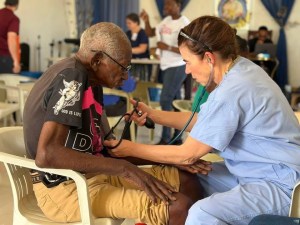
But this is not the end of the story. Medical aid brings momentum back to places where everything has stalled. When lifesaving medicine, essential health supplies, and critical medical devices arrive, clinics reopen. Health workers regain the tools they need. Parents can care for their children. Patients can breathe easier, heal, and hold on.
Even in the aftermath of disaster, medical aid helps communities move from survival to stability — and from crisis to hope.
That’s why disaster relief and emergency medical aid matter so deeply. It doesn’t just respond to the moment of impact. It prevents everyday health needs from becoming death sentences.
When Systems Fail, Health Fails First
Disasters linked to natural hazards affected 4.2 billion people worldwide between 2000 and 2019 and caused approximately 1.23 million deaths, according to the United Nations Office for Disaster Risk Reduction.
Those numbers represent more than destruction. They represent closed clinics, empty pharmacies, delayed surgeries, and patients facing life-threatening complications due to lack of access to medicine and healthcare.
Behind every statistic is the stark reality: When healthcare systems fail, people pay with their lives.
Why Disasters Hit Hardest in Under-Resourced Countries
Disasters can overwhelm any community. But in low-income and under-resourced countries, the consequences escalate fast.
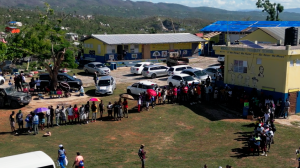
In these areas of the world, health systems already operate with limited resources. Clinics stock only a few days’ worth of medicine. Power is unreliable. Roads to care stretch for miles. There is no warehouse of backup supplies waiting nearby.
When floods wash out roads and block transport, help cannot detour. When electricity fails, refrigerated medicine spoils. When staff flee for safety, clinics must close.
In these settings, there is no cushion. A missed shipment becomes a missed dose. A missed dose becomes a medical emergency.
The Overlooked Crisis After Disaster: Interrupted Care
Emergency response often focuses on visible injuries: broken bones, bleeding wounds, and trauma care.
That care matters. But what follows can be just as deadly.
- Infections spread when clean water disappears.
- Minor wounds turn fatal without antibiotics.
- Pregnant women deliver without sterile supplies.
- Children miss routine vaccinations.
- Chronic illnesses spiral without treatment.
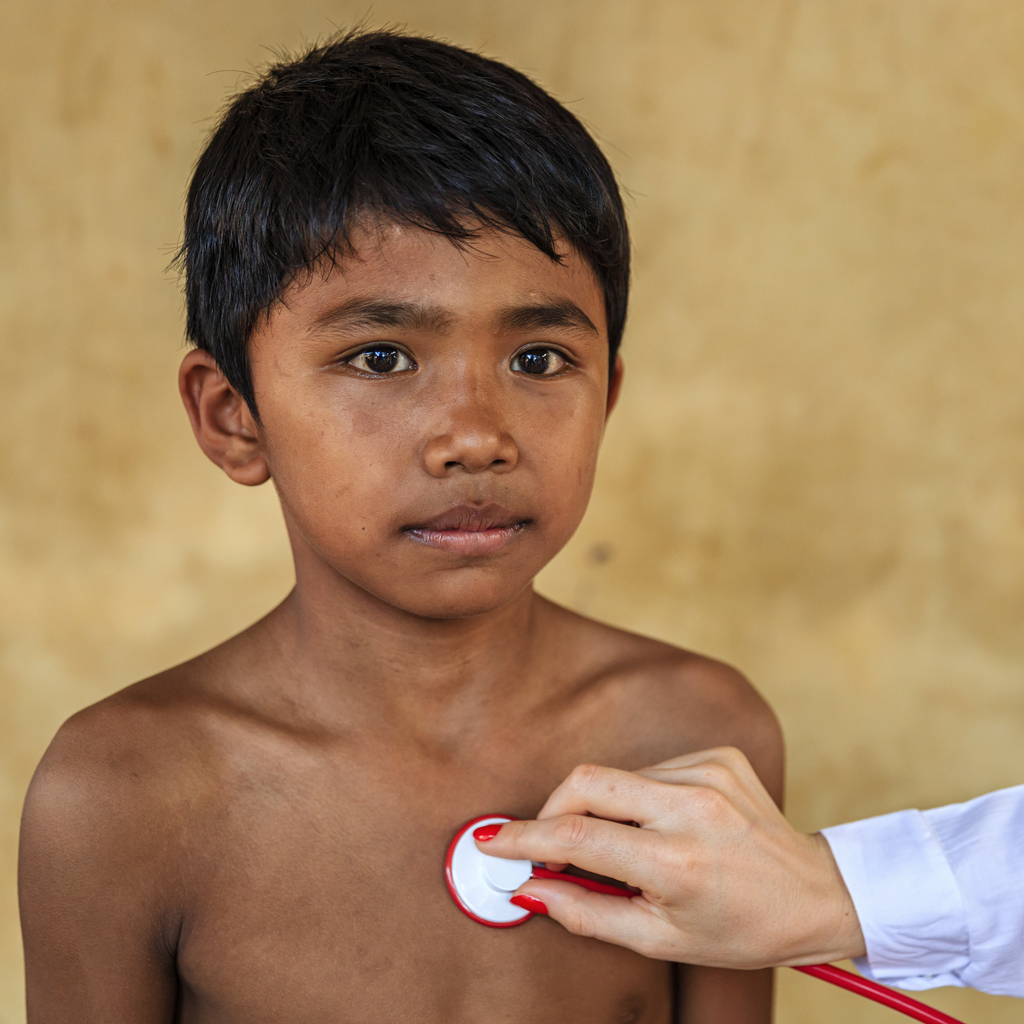
In 2023, 14.5 million children worldwide received no routine vaccine doses, according to the World Health Organization (WHO), leaving communities more vulnerable to disease outbreaks when emergencies strike.
What Lifesaving Medical Aid Looks like in Action
Medical aid is not a single box delivered once. It is a system designed to move fast and reach people who cannot wait.
Lifesaving Medicine
Delivering emergency supplies of antibiotics, insulin, pain relief, maternal health medications, and treatments for chronic disease prevents avoidable deaths when local supply chains collapse.
In April 2025, the WHO reported that 70% of surveyed country offices experienced health service disruptions, and about one-third faced shortages of medicines and health products.
Essential Health Supplies
Access to basic supplies like gloves, sutures, IV fluids, wound care kits, disinfectants, and diagnostic tools helps keep local clinics open and enables health workers to continue treating patients, even in the aftermath of a disaster.
Medical Devices That Sustain Life
Oxygen equipment, monitors, and other medical devices become critical for overwhelmed hospitals or respiratory outbreaks. In prolonged crises, supply shortages can become extreme. In 2025, the WHO described widespread stock-zero conditions for medical supplies in Gaza, underscoring how quickly systems can collapse under sustained pressure.
Delivering Disaster Relief and Emergency Aid
Navigating broken infrastructure to deliver medicine is a logistical marathon. Aid workers must often navigate destroyed infrastructure, power failures, misinformation, and security threats. Humanitarian organizations, such as MAP and its partners, must balance speed, precision, and the strict storage requirements of pharmaceutical products to prevent a secondary health crisis.
Emergencies Are Accelerating and Generosity Has Never Mattered More
Around the world, disasters are striking more often and with greater force. Storms last longer, conflicts displace entire communities, and health systems stretch past their limits. For families facing a crisis, every hour without care increases the risk of loss.
That’s where donors make a lifesaving difference.
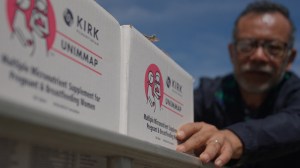
- In 2025, MAP International delivered 166,628 Disaster Health Kits to communities in need. Each kit provides first-aid supplies and hygiene essentials that help survivors stay safe and healthy during the critical first week after a disaster — the days when help is hardest to reach, and risk is highest.
- MAP also deployed five Interagency Emergency Health Kits (IEHKs), each packed with essential medicines capable of serving 10,000 people for up to 90 days. These kits equip healthcare providers on the front lines with the tools they need to diagnose illness, treat injuries, and care for families forced to flee with nothing but hope.
- Each Emergency Response Pack delivers a focused set of essential medicines that help stabilize healthcare services after disasters or during prolonged disruptions in care. In 2025, MAP provided 800 of these packs, each containing three categories of universally needed medications — antibiotics, chronic disease treatments, and mental health medicines — to ensure clinics can continue caring for patients when local supplies run out.
None of this happens without your support.
Every donation fuels faster response, fuller clinics, and lives protected when systems collapse. It turns urgency into action and compassion into measurable impact, delivering not just medicine but also reassurance that help will arrive, even in the darkest moments.
Emergencies Are Accelerating — and Generosity Has Never Mattered More
Delivering lifesaving aid when disaster strikes can seem overwhelming, but it is possible. Humanitarian aid is a testament to human ingenuity and compassion. By combining advanced logistics with a heart for service, the global community ensures that medicine reaches those who need it, when they need it most.
Whether you give, volunteer, or share this mission, your support delivers lifesaving medicine around the world. Every gift helps provide essential medicine, health supplies, and medical devices to communities facing urgent health needs — from natural disasters to ongoing shortages that leave families without access to care.