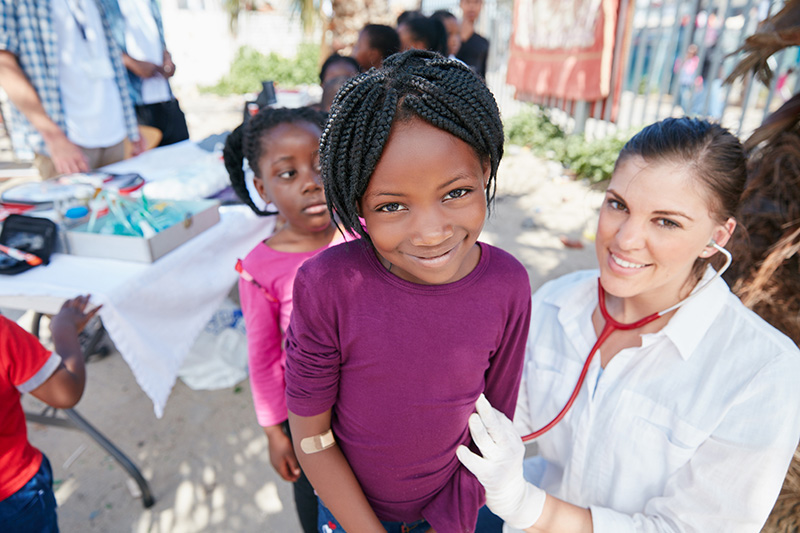

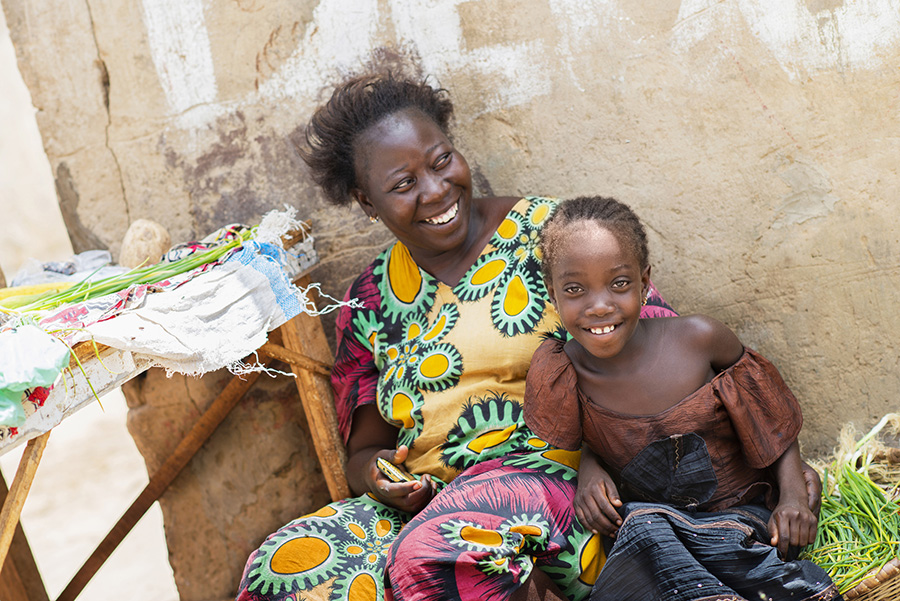
Some smiles can brighten the world — especially the joyful, unfiltered smile of a child. Yet for millions of vulnerable children globally, that smile fades far too often due to preventable illness, deep poverty, and the instability of conflict.
Caring for these children isn’t only a medical challenge — it’s also a moral responsibility. Global pediatric care extends far beyond vaccines or clinics. At its core, it is a promise that every child, regardless of where they are born, deserves the chance to grow healthy, learn freely, and dream boldly. For too many children, that chance is still out of reach.
Why Children Are Especially Vulnerable
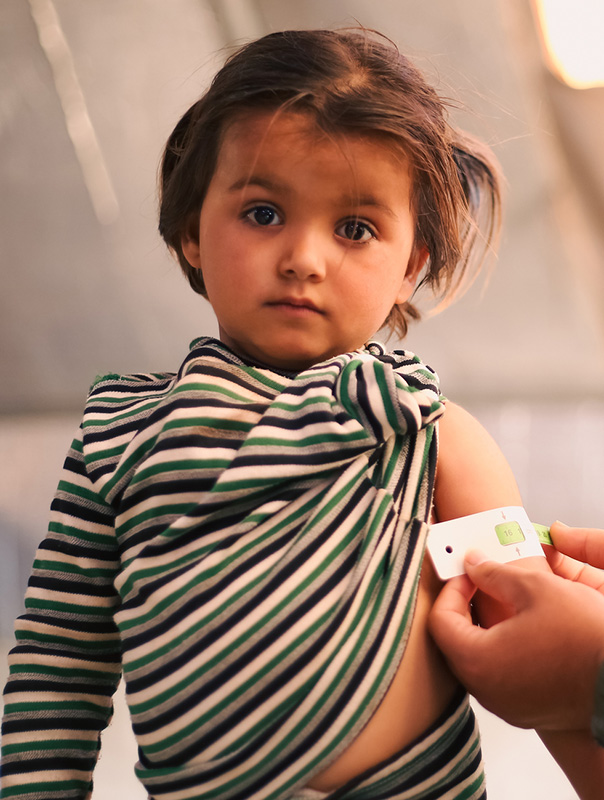
Children, especially those in low- and middle-income countries, face a disproportionate burden of health issues. According to recent United Nations estimates, 4.8 million children under age 5 died in 2023, mostly from preventable or treatable causes such as pneumonia, diarrhea, malaria, and complications around birth. That’s down from 12.8 million in 1990 — an incredible achievement — but progress is slowing and remains deeply unequal across regions.
These numbers are staggering, but each one represents a real child: a curious little boy, a girl with big dreams, or a teenager imagining a hopeful future. They may never realize their potential simply because they cannot access basic healthcare. When care is out of reach, families grieve, communities weaken, and the world loses the contributions those children were meant to make.
Who Are the World’s Most Vulnerable Children?
Some children face layer upon layer of risk before they even take their first breath, simply because of the region of the world or the circumstances that they are born into
Children Living in Extreme Poverty
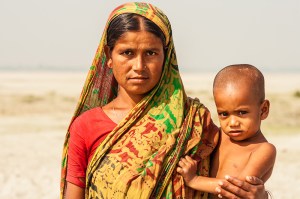
The World Bank and the United Nations Children’s Fund (UNICEF) estimate that around 412 million children — about one in five — live in extreme poverty, surviving on less than about $3 a day.
For these families, basic healthcare becomes a painful trade-off. Seeking treatment may mean:
- Pulling a child out of school to work
- Skipping meals
- Falling into debt — or going without care entirely
Children in Fragile and Conflict-Affected Areas in Extreme Poverty
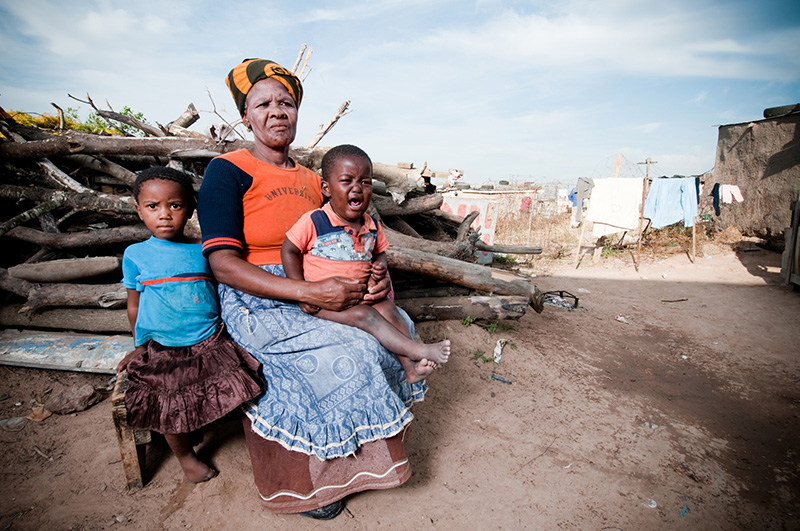
In areas affected by war, displacement, and natural disasters, health systems often collapse. Clinics may be destroyed, understaffed, or inaccessible due to insecurity. Families must decide whether to stay in danger or embark on dangerous journeys to seek help. In these settings, preventable diseases and malnutrition become deadly threats.
Children Missing Lifesaving Vaccines
Vaccines protect children from illnesses such as measles, polio, and whooping cough. Yet global childhood immunization remains uneven.
According to the Pan American Health Organization:
- Millions of children remain under- or unvaccinated compared to prepandemic levels
- About 14 million children in 2024 received no routine vaccines at all — so-called “zero-dose” children
- Most live in countries affected by conflict, weak health systems, or persistent poverty
What Effective Global Pediatric Care Looks Like
When global pediatric care is working well, it transforms entire communities. It looks like:
- A newborn safely delivered by a skilled birth attendant who can identify early complications
- A community health worker walking door-to-door to weigh babies, support breastfeeding, and spot medical emergencies before they become life-threatening
- Children receiving routine vaccines at a local health post, guided by parents who trust the healthcare system
- A child with pneumonia receiving oxygen and antibiotics — not just hope and prayers
- A teenager accessing confidential guidance on mental health, nutrition, and reproductive health
- Together, organizations such as MAP (Medicine for All People), UNICEF, the World Health Organization, and many nongovernmental and faith-based partners support this work by providing medicine, health supplies, medical devices, emergency response, vaccines, training, and long-term health system strengthening.
A Shared Responsibility
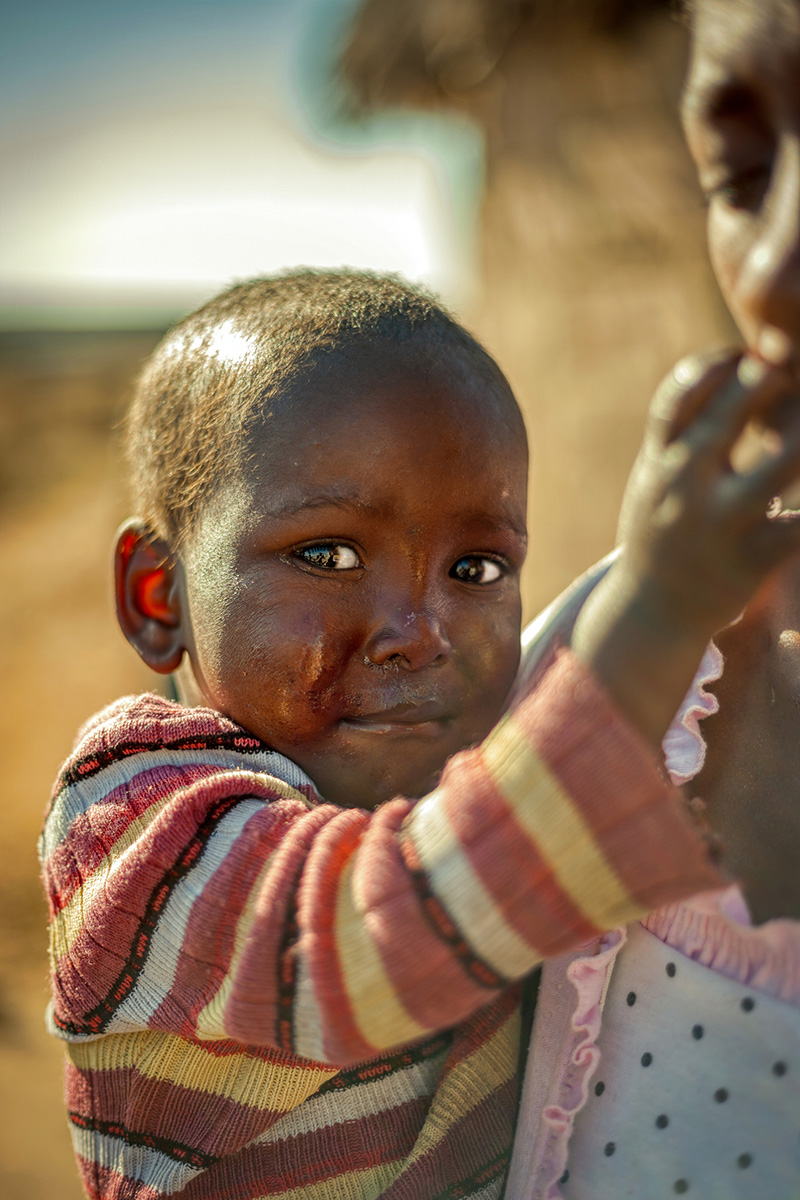
Every child deserves the chance to blow out birthday candles, run with friends, and imagine the future with excitement.
Global pediatric care is how we turn that belief into reality — through reliable access to essential medicine and vaccines, yes, but also through compassion, advocacy, and a commitment to fairness.
If you care about children’s health — whether in your community or across the world — you are already part of the solution. The next step is simply asking:
What can I do today to help one more child get the care they deserve?
Even small actions — a donation, a conversation, a vote, a social media post — can ripple farther than you may ever know. Somewhere, a child might feel the impact.
Join Us to Help Every Child Thrive
Every child deserves the chance to be healthy, thrive, and smile. By supporting MAP International, you become part of that mission. Whether you give, volunteer, or share this cause, your support brings health, hope, and dignity to children who need it most.