
Most of us rarely have to worry about our healthcare provider running out of the medicine we need to stay healthy. But sadly, that fear is a reality for billions of people. For healthcare providers who serve communities in need, a shipment at the end of a long day filled with antibiotics is the answer to their prayers.
More Than Just a Package
We often view healthcare through the lens of technology and sterile rooms. Yet, the human impact of medical donations reminds us that we are all interconnected. A stranger’s decision to donate provides the fuel for a medical team’s success, the promise of a healthy future, and the freedom to live without worrying about how to feed your family and afford medicine.
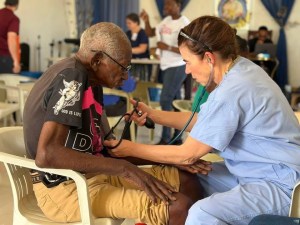
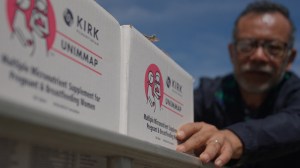
When healthcare providers receive a desperately needed delivery of medicine, it’s more than a shipment — it’s a lifeline. Each box represents a global community standing with them, ensuring they have what they need to keep going. Even in a digital world, these tangible deliveries show that healing still relies on compassion expressed through action.
Medical donations aren’t simply aid; they’re relief, dignity, and one more chance for a patient who’s out of options.
The Critical Gap in Global Healthcare Access
Over half of the world’s population lacks access to essential health services, according to the World Health Organization (WHO). That gap costs lives every single day.
Medical donations help fill this void. Hospitals and clinics in low-resource settings desperately need everything from basic surgical instruments to lifesaving medications. Many facilities operate without reliable access to supplies that American hospitals consider standard.
The Moments When Donations Matter
Statistics help, but the impact affects real people in everyday life.
- Clinics rely on a steady supply of essentials to keep treatment plans on track. Chronic conditions don’t pause for shortages, and consistent donations help prevent the gaps that force patients to skip or stretch doses.
- When emergencies hit, donations prevent a secondary disaster. Disasters create urgency, and that urgency can tempt donors to give anything. The better move: send resources that responders specifically request, that guidelines support, and that local systems can distribute quickly. The WHO’s donation guidance exists because real emergencies have shown what goes wrong without it.
- When families face crushing costs, donations provide relief. Across the world, everyday people face medical bills that hit like a sudden storm. In 2022, about 2.1 billion people faced financial hardship due to out-of-pocket health spending, including 1.6 billion who lived in poverty or were pushed deeper into it.
When donated medicine and health supplies reach the right place at the right time, they can soften that blow. Clinics stretch limited budgets. Patients avoid skipping doses. Parents keep grocery money in the same wallet as the co-pay.
Your Connection to Lifesaving Work
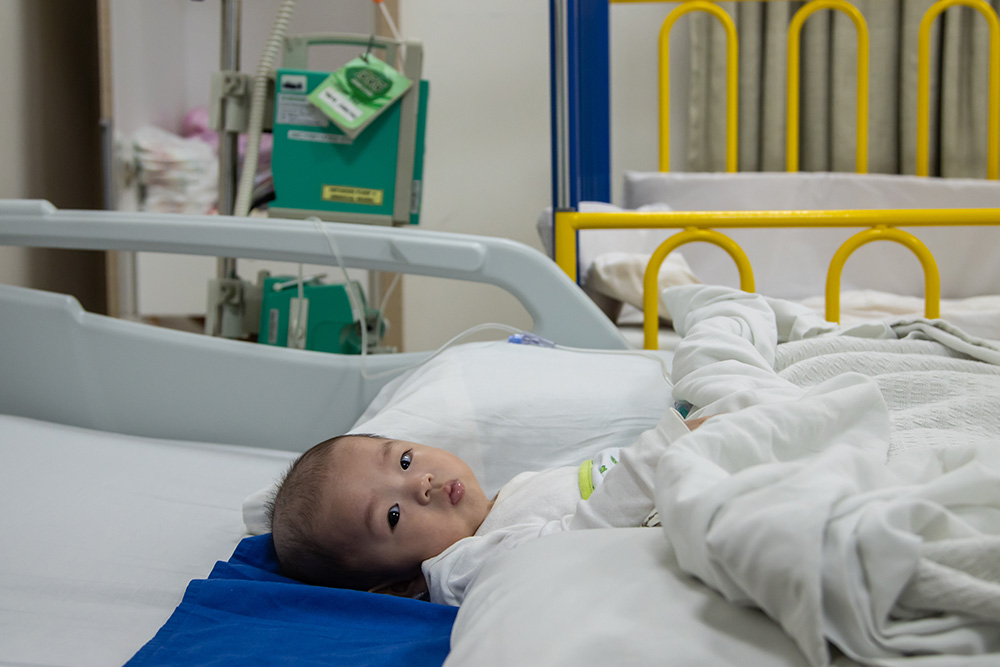
Every medical donation shipment contains a story you’ll likely never hear. You won’t meet the patient whose life is changed by the health supplies you helped provide. You won’t see the relief on a doctor’s face when a critical medical device arrives. You won’t witness the mother’s tears when her child finally receives medicine.
But these moments happen. Behind every delivery is a human being whose life you’ve touched. Behind that delivery waits a person — someone’s parent, child, friend, or neighbor — whose life hangs in the balance.
Behind every delivery is a life saved. And behind every life saved is the shared humanity that connects us all.
Your Donations Help MAP International Ensure a Better Life for Millions of People
Medical donations change everything for the people who need them most. Your donations may help someone recover from a life-threatening illness, return to work, or live to watch their children grow up to be healthy.
Whether you give, volunteer, or share this mission, your support helps bring health, hope, and dignity to countless lives. No one should ever have to choose between medicine and feeding their family. Together, we can make sure they don’t.