For many parents, a child with a fever doesn’t make them panic. They call their provider, stop by a nearby pharmacy, and head home with antibiotics in hand.
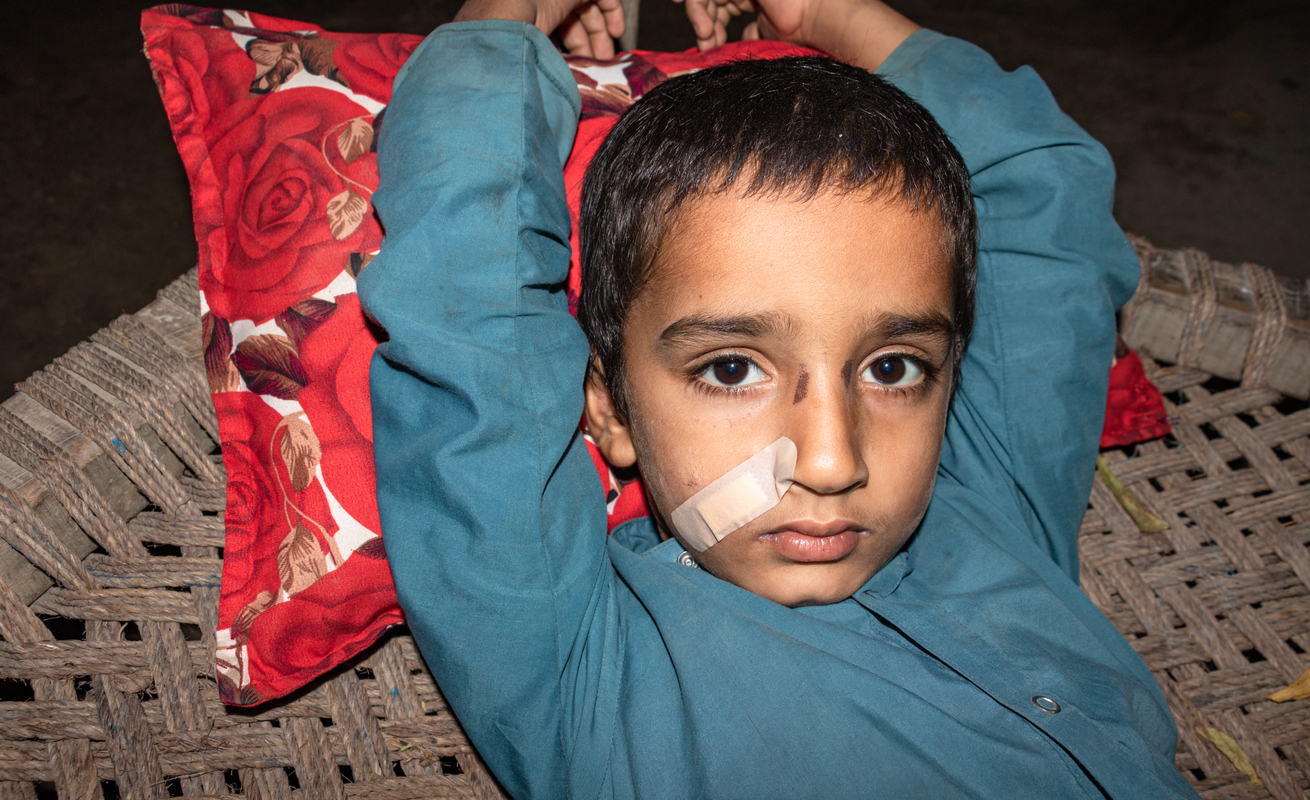
Now, picture a different reality. A parent in a remote village watches that same fever worsen, knowing treatment exists but sits out of reach. The nearest clinic may take days to reach, and when they finally arrive, the shelves are often empty.
For millions of families around the world, that gap between illness and care shapes daily life, and is not just a worst-case scenario.
Closing that gap requires more than shipping boxes of medicine. Real progress demands systems that reliably and affordably connect scientific breakthroughs to the people who need them most. In an interconnected world, global health rises or falls based on the strength of its most fragile systems.
What Are Essential Medicines, and Why Do They Matter?
The World Health Organization (WHO) defines essential medicines as those that meet the most important health needs of a population. These include treatments for infections, chronic diseases, maternal health, and emergency care.
Countries around the world rely on the WHO’s Essential Medicines List as a blueprint for building effective health systems. These medicines don’t represent luxury care. They represent baseline care: the treatments every person should reasonably expect to access.
When communities maintain consistent access to these supplies, they can:
- Treat common illnesses before they become life-threatening.
- Manage chronic conditions such as diabetes or hypertension.
- Reduce maternal and infant mortality.
- Prevent the spread of infectious diseases.
Without them, even routine health issues can escalate quickly.
The Global Gap: Billions Still Go Without
Despite decades of progress, access to medicine remains one of the most urgent global health challenges.
- Nearly 2 billion people worldwide lack access to essential medicine.
- In some low-income regions, more than half the population cannot regularly obtain needed treatments.
- Availability of essential medicine often falls below the WHO target of 80% across health systems.
That gap leads to preventable deaths, prolonged illness, and unnecessary suffering.
Access also comes with a financial burden. In many countries, families pay out of pocket for medications, sometimes spending a large share of their income just to stay healthy.
When people must choose between food and medicine, health systems fail at their most basic mission.
Why Access to Medicine Saves Lives
Access to essential medicine improves health outcomes and transforms entire communities.
- It Prevents Treatable Deaths: Diseases such as malaria, tuberculosis, and bacterial infections become deadly without timely treatment. With the right medicine, many of these conditions become manageable, or even curable.
- It Reduces Health Inequality: Communities with limited access to medicine experience higher mortality rates and shorter life expectancies. Expanding access helps close those gaps and promote equity in care.
- It Strengthens Health Systems: Reliable access to medicine builds trust. When patients know treatment exists and remains available, they are more likely to seek care early, before conditions worsen.
- It Supports Economic Stability: Healthy populations contribute to stronger economies. When illness sidelines workers or caregivers, families and communities feel the ripple effects.
Why Essential Supplies Matter More Than Ever
Recent global challenges, from pandemics to climate-driven disasters, have exposed the fragility of access to medicine.
Supply chain disruptions can quickly lead to shortages. Health systems under strain may struggle to maintain stock. Vulnerable populations often face the greatest impact.
At the same time, global demand for medicine continues to rise due to:
- Aging populations
- Increasing rates of chronic disease
- Expanding urbanization
- Emerging infectious threats
Global health experts emphasize that access to essential medicine remains central to achieving universal health coverage.
In other words, without reliable access to medicine, no health system can fully function.
How You Can Help Close the Gap
Access to medicine isn’t just a policy issue. It’s a shared responsibility.
Individuals, organizations, and communities can support efforts by:
- Donating to reputable global health organizations, such as MAP International
- Advocating for equitable healthcare policies
- Supporting partnerships that expand access to essential supplies
- Raising awareness about global health disparities
Small actions can contribute to large-scale change.
Access to essential medicine isn’t a luxury. It’s a cornerstone of human health.
When people can access the treatments they need, they live longer, healthier lives. Families stay intact. Communities grow stronger. Health systems become more resilient.
The world already has many of the medicines needed to save millions of lives. The challenge now is to ensure those medicines reach everyone, no matter where they live.
In global health, access is everything.
Whether you give, volunteer, or share this mission, your support helps restore health and hope to countless lives.