
Most people in wealthier communities rarely think about Tuberculosis (TB) anymore, which can make it feel distant. It might even sound like a disease from many decades ago. Still, it keeps showing up in real life around the world — in crowded homes, in underfunded clinics, and in communities where a persistent cough can cost someone a job, a relationship, or a place to sleep.
Why World TB Day Matters Now
Because TB continues to target people with the fewest resources, World Tuberculosis Day on March 24, 2026, serves as a blunt reminder that the disease has not disappeared and still affects millions of people around the world.
What is TB?
TB is a contagious disease caused by bacteria that usually attack the lungs, though it can also affect the brain, kidneys, or spine. It spreads through the air when someone with active TB disease coughs, speaks, or sings in close contact with others.
The disease doesn’t affect everyone the same way. Some people have inactive TB, which does not cause symptoms and does not spread. Active TB disease, however, can cause a persistent cough, fever, night sweats, weight loss, and extreme fatigue — symptoms that often worsen without treatment.
TB Facts
According to the World Health Organization (WHO):
TB remains one of the world’s deadliest infectious diseases. In 2024, an estimated 10.7 million people fell ill with TB worldwide, including about 1.2 million children.
Drug-resistant TB continues to threaten progress, and only about 2 in 5 people with drug-resistant TB accessed treatment in 2024.
Here’s the hopeful part: TB is preventable and curable, and treatment works when people can access it, afford the basics around it, and stick with it. World TB Day gives us space to talk openly about what’s working, what’s standing in the way, and why faith-based compassion should lead the response. It also asks a simple question: If TB treatment can save lives, why do so many people still fall through the cracks?
Even Though Treatment Exists, Access Does Not
Most people do not skip TB treatment because they don’t care. People skip treatment because life stacks the deck against them:
- A clinic sits too far away, and transportation costs too much.
- Work schedules punish anyone who takes time off.
- Stigma leads people to hide symptoms, delay testing, or stop attending appointments.
- Food insecurity makes side effects harder to tolerate.
- Housing instability makes medication routines collapse.
Join Us to End TB Suffering
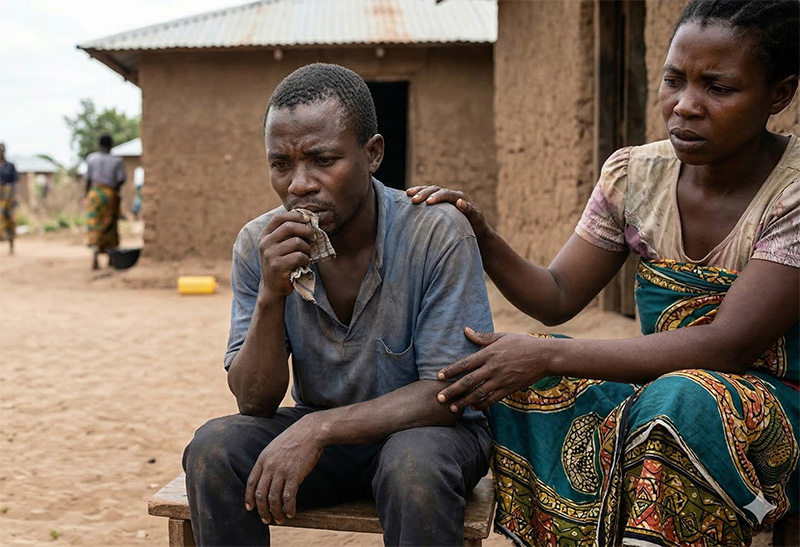
TB may feel far away for many of us, but for millions of people, it shapes daily life in quiet, relentless ways. It shows up as a cough someone tries to hide, a clinic visit someone cannot afford to miss work for, or a treatment plan that unravels when food, housing, or transportation falls apart. The distance we feel from TB does not make the disease disappear; it only makes the gaps harder to see.
Join MAP International on World Tuberculosis Day in praying for those around the world who still suffer from TB. It reminds us that medicine alone does not heal people. People heal when care meets compassion, when treatment meets dignity, and when no one has to face a long illness in isolation.
Faith-based compassion brings something powerful to the frontlines: presence. It says, “You matter,” even when systems fall short.
Ending TB will take science, funding, and policy. It will also require communities willing to stand alongside those who feel forgotten. On this World TB Day, let’s choose to see what others overlook, to care when it feels inconvenient, and to help close the gaps where lives still hang in the balance.
On March 24, let the message land where it belongs: in action.
Whether you give, volunteer, or share this mission, your support helps bring health, hope, and dignity to countless lives. No one should ever have to choose between medicine and feeding their family. Together, we can make sure they don’t.