
In many parts of the world, receiving medical care feels routine. A child develops an infection, antibiotics are available nearby, and treatment begins quickly before the illness becomes severe. Hospitals remain stocked. Pharmacies refill prescriptions. Clinics provide care before emergencies escalate.
But for millions of families around the world, that reality does not exist.
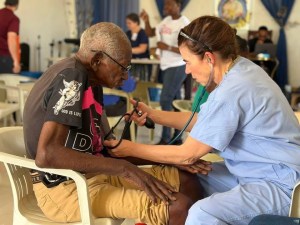
A mother may walk for hours to reach a rural clinic carrying a sick child, only to find the shelves nearly empty. A patient with a treatable illness may wait days — or even weeks — for medicine that never arrives. Doctors and nurses stand ready to help but often lack the supplies needed to care for their communities.
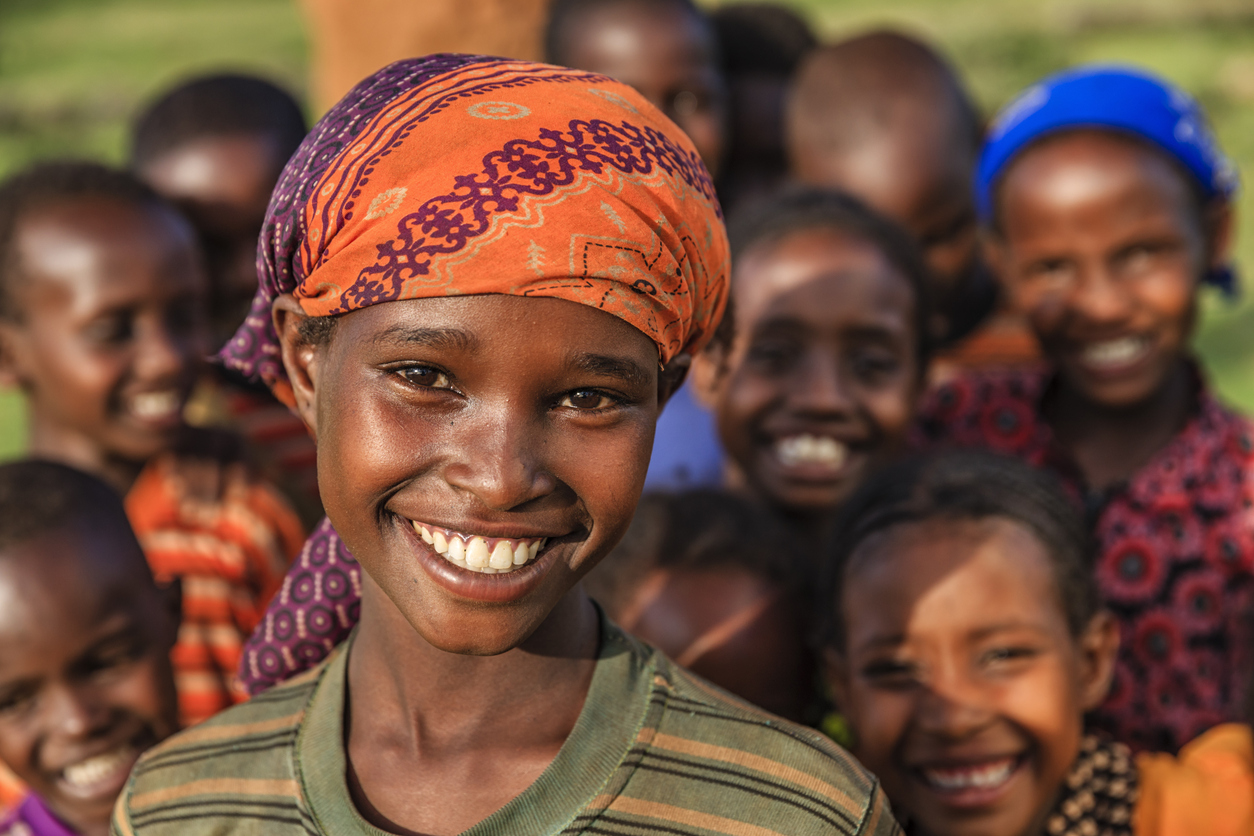
For vulnerable populations facing poverty, disaster, disease, and conflict, limited access to medicine and treatment remains part of daily life.
That is why matching gift opportunities matter so much.
A matching gift does more than double a donation total. It equips clinics, strengthens health systems, expands access to treatment, and extends hope to families facing impossible circumstances. Most importantly, it allows lifesaving medicine, health supplies, and medical devices to reach more people in urgent need.
For charitable organizations responding to growing global health challenges, matching campaigns create opportunities to expand the reach of every act of generosity.
What Is a Matching Gift?
A matching gift is an opportunity in which a generous donor, foundation, or partner agrees to match donations made by supporters — typically dollar for dollar — up to a predetermined amount.
In simple terms:
- A supporter gives $25.
- A matching partner contributes another $25.
- Together, that becomes $50 to help provide care to families in need.
That generosity immediately reaches twice as far.
Matching campaigns often begin when a donor or funding partner wants to encourage broader participation and increase the overall reach of charitable giving. These opportunities can help nonprofits respond more quickly during periods of urgent need while inspiring collective generosity among supporters.
At MAP, the impact extends even further.
Because MAP receives donated medicine, health supplies, and medical devices from trusted partners around the world, financial contributions can help deliver significantly more aid than traditional giving models often allow. Each $1 donated to MAP international becomes $65 in aid, and with a matching gift in place, that means $1 = $130 to help those in need.
That means matching gifts do more than multiply donations. They multiply healing, treatment, stability, and hope.
Why Matching Gifts Matter
Around the world, access to medical care remains one of the greatest challenges facing vulnerable communities.
Families living in poverty, disaster zones, conflict regions, and remote areas often struggle to access even the most basic treatments.
Without reliable care:
- Infections become life-threatening
- Chronic illnesses go untreated
- Children suffer from preventable diseases
- Clinics run out of essential supplies
- Communities face ongoing cycles of illness and instability
Many of these situations are treatable. The challenge is access.
In many low-resource regions, even temporary disruptions in medical supply access can create devastating consequences. Clinics may ration supplies, delay treatment, or turn patients away entirely when shelves run empty.
Matching gifts help close that gap by allowing organizations like MAP to respond faster and reach more people with lifesaving resources.
When donations are matched:
- More patients receive treatment
- More clinics stay equipped
- More families gain access to care
- More healthcare providers can continue serving vulnerable communities
- More communities experience healing and stability
These opportunities significantly increase the reach and effectiveness of charitable giving during moments of urgent need.
What Matching Gifts Make Possible
The true power of a matching gift is not found in the math alone. It is found in the lives changed because treatment became available when it was needed most.
For Individuals
Matching gifts can help provide antibiotics before an infection becomes deadly. They can support treatment for illnesses or injuries that would otherwise worsen without medical care.
For Families
Access to treatment can help parents regain the strength to care for their children or allow children to receive the medicine and care needed to grow and thrive.
When health returns to one person, stability often returns to an entire household.
For Communities
Matching gifts can help keep clinics stocked with essential medicine and supplies so doctors and nurses can continue serving hundreds of patients who might otherwise go without treatment.
Healthier communities become stronger, more resilient, and better prepared to care for future generations.
How MAP Maximizes Every Dollar
Matching gifts become even more powerful because of MAP’s stewardship model and global partnerships.
For more than 70 years, MAP has delivered medicine, health supplies, and medical devices to people facing poverty, disaster, and disease around the world.
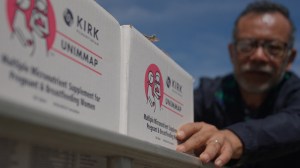
Through partnerships with pharmaceutical companies, healthcare organizations, and global providers, MAP receives large donations of medical resources that can be distributed to vulnerable communities.
This model allows financial contributions to stretch dramatically further.
With the support of compassionate partners, MAP:
- Reached 46 million people with treatment and care in 2025
- Delivered aid to 100 countries
- Shipped more than $1 billion worth of donated medicine and medical resources
- Provided 166,628 disaster health kits to vulnerable communities
These efforts help place critical care into the hands of people who may have nowhere else to turn.
Why Matching Opportunities Matter Right Now
Global health challenges continue to grow.
Natural disasters, conflict, poverty, displacement, and disease place enormous strain on healthcare systems around the world. Many clinics already operate with limited resources, and vulnerable communities often experience the greatest barriers to treatment.
At the same time, the demand for medicine and medical care continues to rise.
Matching opportunities allow nonprofits to respond more effectively during critical moments by expanding the reach of available resources.
Because matched gifts go further, more people can receive treatment before conditions worsen. More clinics can remain equipped to serve patients. More families can experience hope instead of fear.
In moments like these, generosity becomes more than a donation.
It becomes a lifeline for families who cannot access care on their own.
Frequently Asked Questions About Matching Gifts
Do matching gifts cost donors anything extra?
No. Matching gifts simply allow donations to be multiplied through the support of a funding partner or generous donor.
Where do matching funds come from?
Matching funds often come from individuals, foundations, corporations, or philanthropic partners committed to expanding the reach of charitable giving.
Are all donations matched dollar for dollar?
Many matching campaigns use a dollar-for-dollar structure, though some opportunities may use different ratios or include maximum matching limits.
Why do matching campaigns have deadlines?
Matching campaigns typically operate within a specific timeframe or funding cap established by the matching partner. Deadlines help organizations respond quickly to urgent needs and encourage broader participation during the campaign period.
Expanding Access to Lifesaving Care
It becomes a lifeline for families who cannot access care on Access to medicine and treatment should not depend on geography, income, or circumstance.
Yet millions of people around the world still face enormous barriers to receiving even basic medical care.
Matching gift opportunities create a powerful way to expand access, strengthen health systems, and deliver treatment to more people in need.
When generosity is multiplied, more families receive care. More clinics remain equipped. More communities experience healing, stability, and hope.
In global health, access can change everything. own.