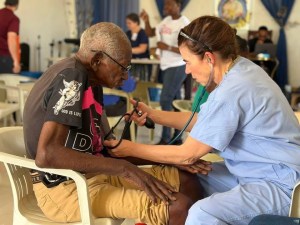


Access to medicine can determine whether people in underserved communities live or die. Imagine a bustling community clinic in a rural town or a crowded urban neighborhood, where dedicated healthcare providers work hard to meet growing needs with limited resources. Behind the scenes, donated medical supplies often help keep those doors open, those shelves stocked, and those patients cared for.
Hospitals and clinics across the country face constant pressure from rising supply costs. US healthcare spending reached $5.3 trillion in 2024, up 7.2% from the year before, with a large share going toward essential medical supplies. In that environment, donated supplies do more than help; they provide critical support for a system that often operates on thin margins.
Why Donated Medical Supplies Matter More Than Ever
Healthcare in the United States delivers world-class treatment, but access remains uneven. Millions of Americans rely on safety-net providers such as community health centers, free clinics, and charitable pharmacies.
These providers serve more than 31 million people nationwide, or roughly one in 11 Americans, many of whom live in medically underserved areas.
At the same time, costs continue to rise. Clinics must stretch every dollar, and supply shortages can disrupt care. During the COVID-19 pandemic, shortages of basic medical equipment exposed the fragility of supply chains under pressure.
Donated medical supplies help stabilize that system. They provide consistency when funding fluctuates, and they ensure that care continues even during disruptions.
Strengthening the Healthcare Safety Net
Free clinics and Federally Qualified Health Centers (FQHCs) serve as the backbone of the American safety net. These centers provide essential services to millions of uninsured and underinsured individuals. However, tight budgets often force administrators to choose between hiring staff and purchasing equipment.
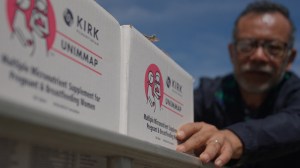
The MAP USA Program offers a bold, practical response to the nation’s medication access crisis. The program transforms surplus, FDA-approved medicine, health supplies, and medical devices, along with strategically purchased medications, into life-changing treatment for low-income, uninsured, and underinsured individuals.
In 2017, MAP began by serving a single clinic. By 2025, we had:
- Built a trusted national network of more than 130 partner clinics across nine states, delivering no-cost medicine and health supplies to patients who need them most
- Supported more than 1,000,000 patient treatments, expanding access to both chronic and acute care in medically underserved communities
- Delivered over $7.5 million in medicines and healthcare supplies, ensuring each clinic receives resources tailored to its community’s specific needs
When donated supplies arrive, providers can redirect limited funds toward staffing, outreach, and expanded services. That shift strengthens the entire care delivery system, not just individual visits.
Expanding Access to Care
Donated medical supplies do something simple but powerful: they make care possible for people who might otherwise go without it.
Organizations, such as MAP International, deliver those donated medicine, health supplies, and medical devices to hundreds of free clinics across the United States, helping low-income patients access essential services.
That access translates into real outcomes:
- Patients receive medications that they might not be able to afford.
- Chronic conditions stay under control.
- Preventive care becomes more consistent.
When clinics maintain a steady inventory, patients no longer need to delay care or skip treatment due to cost. As MAP notes, consistent supplies help prevent gaps that force patients to ration or miss medications.
How You Can Make a Difference
The strength of our healthcare system depends on the active participation of individuals, corporations, and policymakers. You can support this mission in several ways:
- Support Specialized Nonprofits: Donate to organizations, such as MAP, that manage the logistics of medical surplus recovery.
- Encourage Hospital Partnerships: If you work in healthcare, advocate for your facility to implement a surplus recovery program.
- Raise Awareness: Share information about the importance of donating medical supplies with your community and local representatives.
Through collective action and mindful resource management, we can turn surplus into a source of hope for millions.
A Collective Effort to Ensure Healthcare Equity
Every donated surplus tells a bigger story, one that strengthens healthcare across the United States. Donated medical supplies do more than just fill a temporary need; they build a more resilient, equitable, and sustainable healthcare system. They keep clinics open, support providers, and help patients receive timely care.
Whether you give, volunteer, or spread the word, you help bridge gaps and ensure that every patient receives the care they deserve.