
Key Takeaways
- Climate change is a major global health challenge.
- Extreme weather can increase illness, injury, hunger, and disease outbreaks.
- Vulnerable communities often face the greatest health risks.
- Access to medicine and healthcare is critical during emergencies.
- Organizations like MAP International provide lifesaving medicine during climate-related crises.
- Local partnerships help deliver the right resources where they are needed most.
- Donor support strengthens health systems and community resilience.
- Global collaboration is driving solutions that save lives and improve health worldwide.
A Hidden Health Crisis
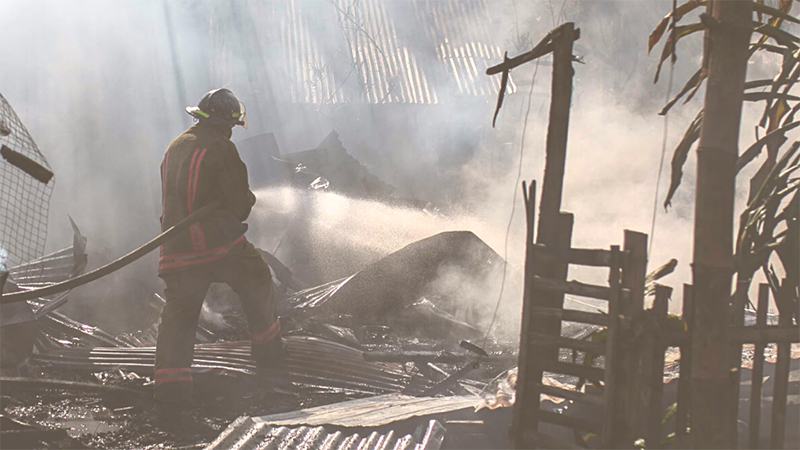
Climate change often dominates headlines because of rising temperatures, severe storms, floods, droughts, and wildfires. Yet many people do not immediately connect climate change with human health. Across the globe, changing weather patterns affect access to clean water, nutritious food, safe shelter, and medical care. Health professionals increasingly recognize climate change as one of the most significant public health challenges of our time.
According to the World Health Organization (WHO), climate change presents a fundamental threat to human health. At the same time, the Pan American Health Organization describes it as the biggest global health threat of the 21st century.
Despite these challenges, communities, nonprofits, healthcare providers, and donors continue to drive meaningful solutions that improve lives every day.
How Climate Change Affects Health Around the World
Climate-related health risks are more than environmental concerns.
- Extreme heat can increase the risk of heat exhaustion, dehydration, and cardiovascular disease.
- Flooding can contaminate drinking water supplies and contribute to the spread of infectious diseases.
- Longer droughts can reduce agricultural production, leading to food insecurity and malnutrition.
- Rising temperatures can also expand the range of disease-carrying mosquitoes and other vectors.
Many of these impacts affect low-income communities most severely. The World Bank notes that climate change acts as a health-risk multiplier, worsening existing vulnerabilities and increasing pressure on already strained healthcare systems. More than half of the global population faces a high risk of experiencing extreme weather events such as floods, droughts, cyclones, or heat waves.
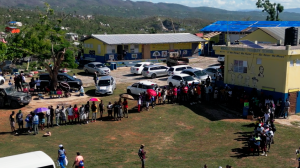
Families living in remote regions often face the greatest challenges. When roads wash out, health clinics lose power, or supply chains break down, access to medicine and medical supplies can disappear precisely when communities need them most.
How MAP Responds to Climate-Related Health Challenges
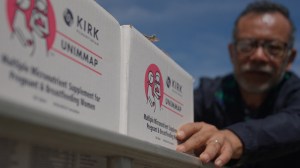
MAP addresses these growing health challenges through proactive preparation and rapid emergency response. The organization delivers essential medicine, medical supplies, emergency health kits, surgical equipment, and protective gear to healthcare providers serving vulnerable communities worldwide. These resources help treat infectious diseases, dehydration, injuries, and other urgent health needs that often increase after floods, storms, and other climate-related disasters.
Strong local partnerships make this work possible. MAP collaborates with healthcare providers and community organizations that understand local needs, helping ensure the right medicine reaches the right patients when they are needed most.
Why Access to Medicine Matters More Than Ever
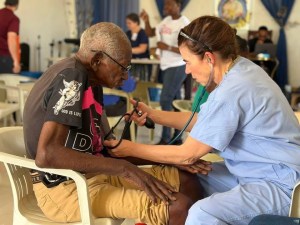
Healthcare systems serve as a critical line of defense against climate-related health threats. Doctors, nurses, and other healthcare professionals can only provide effective care when they have access to essential medicine, vaccines, medical devices, and protective equipment.
In many parts of the world, climate-related disasters disrupt healthcare delivery for weeks or even months. Communities recovering from floods, hurricanes, droughts, or conflict often experience increased demand for treatment of infectious diseases, chronic conditions, injuries, and maternal health needs.
Global health organizations, such as MAP International, help bridge these gaps by delivering medicine, health supplies, and medical devices where shortages threaten lives. Medical aid supports both emergency response efforts and long-term health system resilience. Reliable access to medications for conditions such as diabetes, hypertension, respiratory illness, and infection helps communities remain healthier and better prepared to withstand future climate-related challenges.
How You Can Help
Donor generosity fuels every cargo plane loaded with medical supplies, every shipping container packed, and every rural clinic stocked. When you invest in global medical relief, you directly fortify a clinic in Panama, empower a doctor in Bangladesh, and heal a child in Peru.
That means more children can receive medicine before an illness becomes dangerous.
More mothers can access the care they need.
More clinics and mission teams can serve with supplies in hand instead of empty shelves.
And more families can experience healing and hope.
Hope Through Action
Climate change creates complex health challenges, but it also highlights the power of global collaboration. Healthcare providers, nonprofits, governments, researchers, and community leaders continue to develop solutions that protect lives and strengthen communities.
Your generosity enables MAP to provide medicine, health supplies, and medical devices that prevent devastating outbreaks and restore human dignity. Please consider making a lifesaving contribution today to keep these vital supply chains moving.