
Key Takeaways
- Medical missions need both clinical and nonmedical volunteers.
- Volunteers can support logistics, translation, outreach, and administration.
- Medical professionals must work within their legal scope of practice.
- Ethical teams follow local leadership and protect patient dignity.
- MAP International equips approved teams with essential medicine and supplies.
You Don’t Need To Be a Medical Professional To Serve
When you picture a medical mission trip, you probably visualize surgeons, physicians, and nurses working tirelessly in a remote clinic. You might wonder if someone without a medical degree can actually participate in these life-changing initiatives.
The short answer is a resounding yes!
Every successful medical mission relies on a diverse team of dedicated individuals. While healthcare providers treat patients directly, nomedical volunteers keep clinics running smoothly, manage supply lines, and care for visiting families. Whether you hold a medical license or simply bring a compassionate heart and organizational skills, international and domestic medical relief efforts have a spot for you.
Direct Answer: Can You Volunteer Without Medical Training?
Yes, anyone can volunteer for a medical mission. Nonprofit organizations pair licensed healthcare professionals with nonclinical volunteers to deliver comprehensive community care. Nonmedical volunteers handle logistics, patient registration, translation, crowd management, childcare, and supply packing, which frees doctors and nurses to focus entirely on patient treatment.
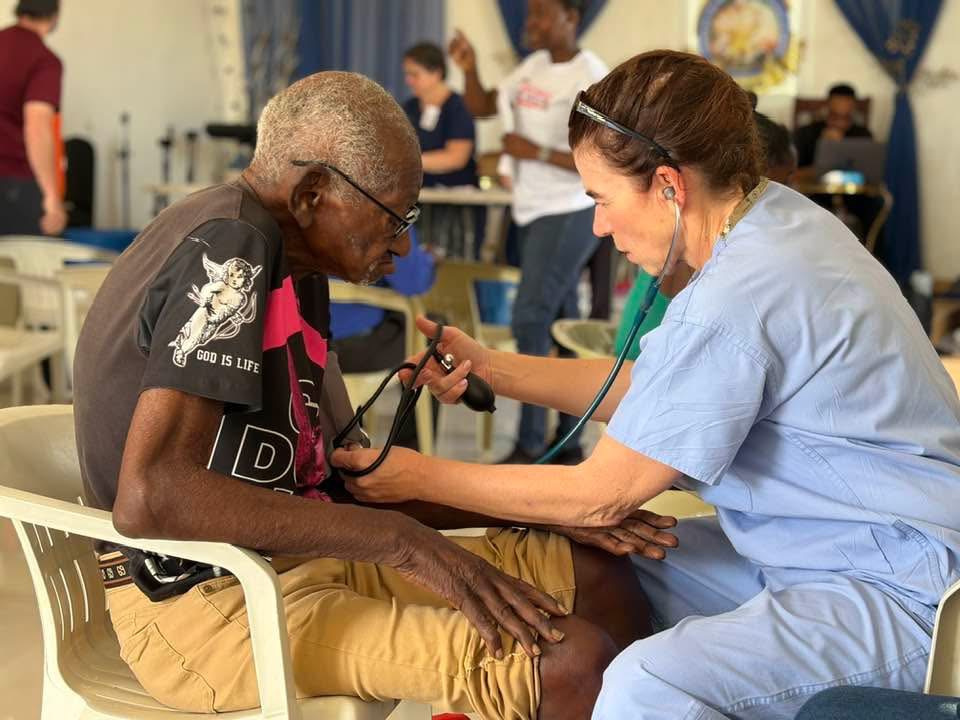
Medical Professionals Provide Clinical Care
Doctors, nurses, pharmacists, dentists, and therapists may provide care within their training and legal scope of practice. The American Medical Association (AMA)’s guidance stresses safe, respectful treatment. Students and trainees must work under qualified supervision and should never perform procedures they could not legally or ethically perform at home.
Nonmedical Volunteers Also Play Important Roles
A successful medical mission involves much more than patient examinations. Nonmedical volunteers help a team operate efficiently, allowing medical professionals to focus on care.
Depending on the program, these volunteers may:
- Register patients and organize records
- Manage equipment, transportation, and supplies
- Assist with community health education
- Interpret when they have appropriate language skills
- Coordinate meals, schedules, or lodging
- Support fundraising and communications
- Photograph activities with proper consent
- Help local partners with approved outreach projects
Organizations assign responsibilities according to local needs, volunteer experience, language ability, age, and physical requirements. Some programs welcome first-time volunteers, while others seek people with specialized skills or previous international service experience.
Character and Flexibility Matter
Medical mission work can involve long days, unfamiliar food, limited resources, changing schedules, and emotionally difficult situations. Organizations may look for volunteers who communicate well, solve problems calmly, and work respectfully as part of a team.
Cultural humility matters just as much as enthusiasm. Volunteers enter communities as guests, not rescuers. They should listen to local professionals, respect cultural practices, protect patient privacy, and avoid making promises the team can’t keep.
The AMA Journal of Ethics identifies concerns that international medical volunteers must address, including continuity of care, professional boundaries, and the effects of short-term programs on local health systems. Ethical organizations build relationships with community partners and design projects around priorities identified locally.
MAP Helps Equip Medical Mission Teams
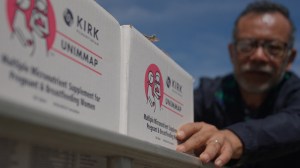
Even skilled volunteers can’t provide appropriate care without reliable medicines and supplies. MAP International supports experienced medical mission teams through Custom Medical Mission Packs tailored to their needs. Licensed medical professionals may request prescription products.
MAP has sent more than 45,000 Medical Mission Packs with teams serving communities around the world. These resources help approved partners arrive better prepared to support patients and local health workers.
Responsible and Ethical Volunteering Guidelines
Serving on a medical mission comes with profound responsibility. Poorly managed volunteer trips can strain local healthcare infrastructure or disrupt long-term community development.
Short-term medical missions must coordinate closely with local health authorities and established response networks. Ethical missions prioritize sustainable impact through these key principles:
- Work Within Scope: Nonmedical volunteers must never perform clinical tasks or medical procedures, no matter the demand.
- Respect Local Leadership: Local healthcare providers best understand community needs; visiting teams should support, not replace, local expertise.
- Prioritize Patient Dignity and Privacy: Always obtain clear permission before taking photos or sharing personal health stories.
- Focus on Cultural Humility: Respect local customs, traditions, and administrative procedures throughout your service.
MAP Helps Equip Medical Mission Teams
Global health outreach requires compassion, structure, and teamwork. Healthcare professionals provide vital clinical treatments, but nonmedical volunteers supply the energy, organization, and enthusiasm that make those treatments possible. Every hand plays a crucial role in bringing healing, dignity, and hope to communities in need.
Not everyone can provide medical treatment, but many people can contribute to a well-organized medical mission. Start by identifying the skills you can offer, the conditions in which you can serve effectively, and the communities or health issues you hope to support.
The right question may not be whether anyone can volunteer for a medical mission. Instead, ask where your experience can meet a genuine need while supporting safe, ethical, and locally guided care. Contact MAP to see how you can serve.