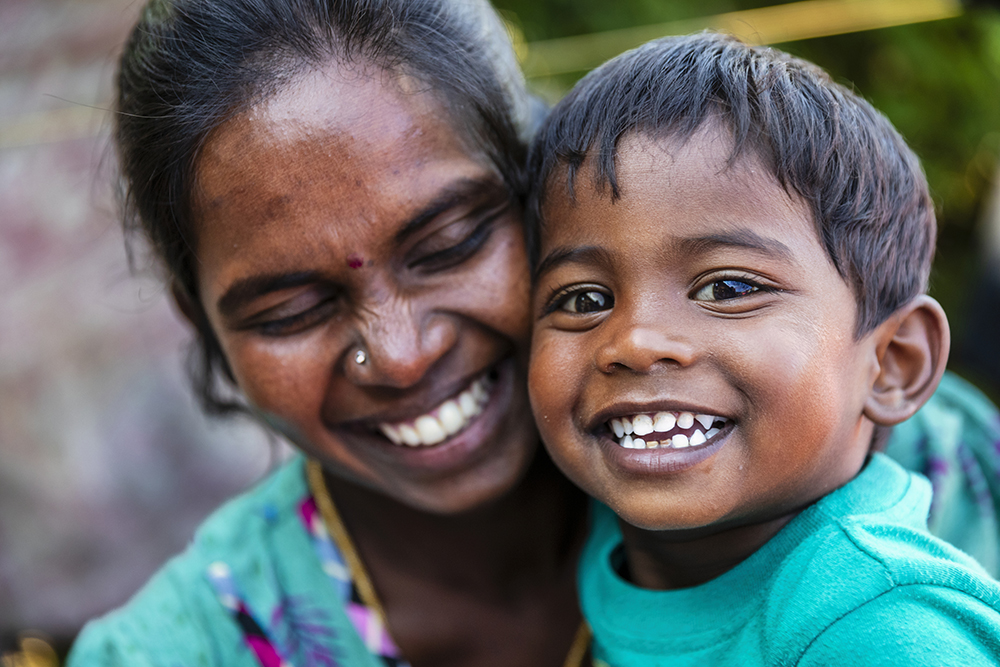
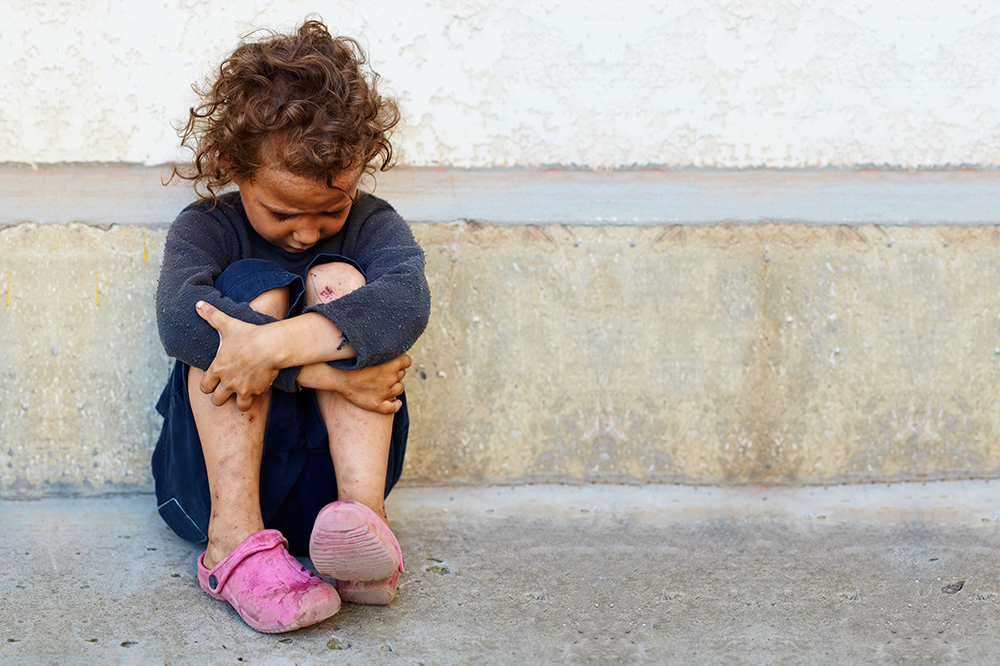
Imagine your child is sick and you have to choose between buying the medicine that could make them well or the food that will keep them nourished. Or picture yourself in a crowded clinic in Nairobi, Manila, or rural Guatemala, cradling your feverish child — only to be told the lifesaving medicine they need isn’t available. No parent should ever have to face that kind of helplessness.
Unfortunately, these aren’t hypothetical scenarios; they are a harsh reality for millions without access to the medicine and supplies they need — a daily struggle that exposes a deep and persistent global health gap.
One of the most pressing health crises today, even in affluent nations, is the lack of access to healthcare for the uninsured. That’s where the vital role of free clinics and collaborative partnerships becomes undeniably clear.
As a Christian organization that provides medicine, health supplies, and medical devices to those in need around the world so that they can experience life to the fullest, MAP International believes no one should have to choose between their health and their basic needs. And we’ve learned a simple truth: Collaboration saves lives.
The Urgency Spans Continents: Global Gaps in Access to Essential Medicines
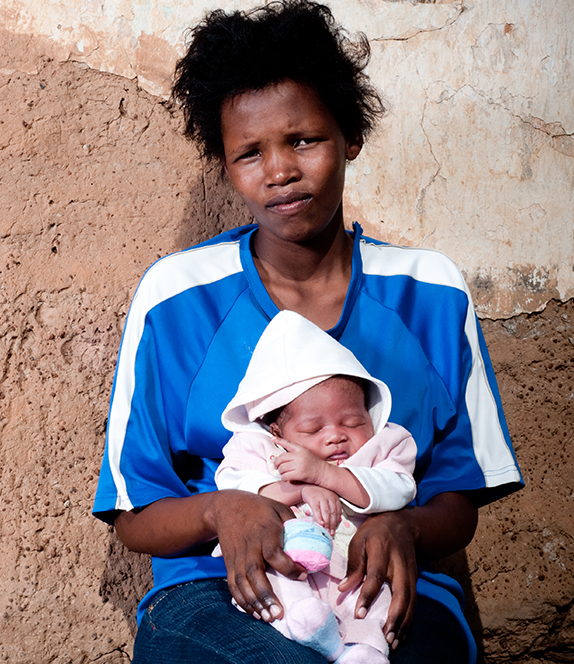
Around the world, one in four people lacks access to essential medicine, and in the poorest regions of Africa and Asia, that number climbs even higher.
Every parent, everywhere, knows the fear of a child’s fever — that quiet, desperate prayer for healing and hope. From Nairobi to New Delhi, from Guatemala to the Philippines, families share the same wish: to see their loved ones healthy and strong. Yet around the world, too many still face empty pharmacy shelves and impossible choices. The urgency to close these gaps in access to essential medicine spans continents and touches us all.
Global Gaps in Access to Essential Medicines
Access to essential medicine remains one of the most pressing global health challenges. Despite medical advances, millions still struggle to obtain the treatments they need to survive and thrive. Behind the statistics are real people — families forced to choose between medicine and meals, elders cutting pills in half, and parents skipping doses so their children can be treated first.
- The World Health Organization and the World Bank report that more than two billion people face severe financial hardship when paying out of pocket for needed health services or medicine.
- In many countries, nonprofit nongovernmental organizations (NGOs) and faith-based organizations step in to supplement public provision of care — offering mobile clinics, medicine donation programs, and community health networks to bring services to remote or informal settlements.
The Unseen Crisis: Why Medical Bills Become Insurmountable
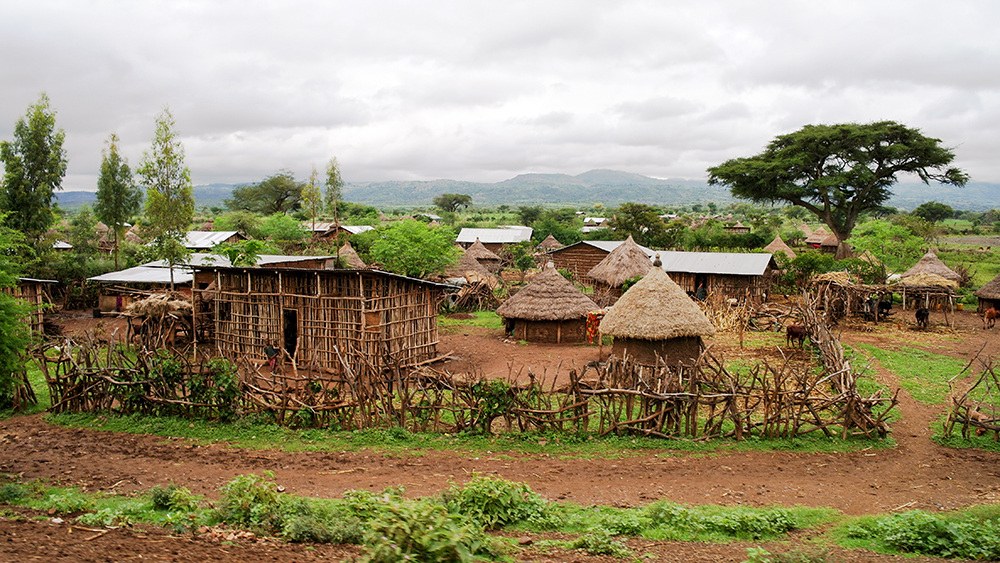
For many across the globe, the cost of healthcare isn’t just a burden; it’s a barrier to life itself. Though the details differ from country to country, the tragedy is universal.
In developing countries, out-of-pocket health expenditure constitutes a massive financial risk. The World Bank estimates that people in developing countries spend hundreds of billions of dollars annually out of their own pockets to access health services. In many low- and middle-income nations, a single illness — a serious infection, a difficult birth, or a chronic disease diagnosis — can force families into a devastating cycle of poverty.
Each year, crushing health costs push more than 100 million people into extreme poverty, devastating entire households.
Even in countries with supposedly universal health coverage, copays, deductibles, and costs for uncovered services such as dental care or certain medications can still be prohibitively high for low-income families. The result is delayed or forgone care, which only exacerbates health problems in the long run. Preventable conditions turn into chronic ones, treatable illnesses grow life-threatening, and individuals remain trapped in a cycle of poor health and poverty.
When faced with the impossible choice between medicine and necessities such as food or housing, human dignity is compromised, and the chance for a flourishing life diminishes. It’s a global crisis that demands a compassionate, collaborative response. Yet amid this crisis, free clinics and community health programs stand as powerful examples of hope and healing.
Free Clinics and Community Health Initiatives: Hope in the Health Care Desert
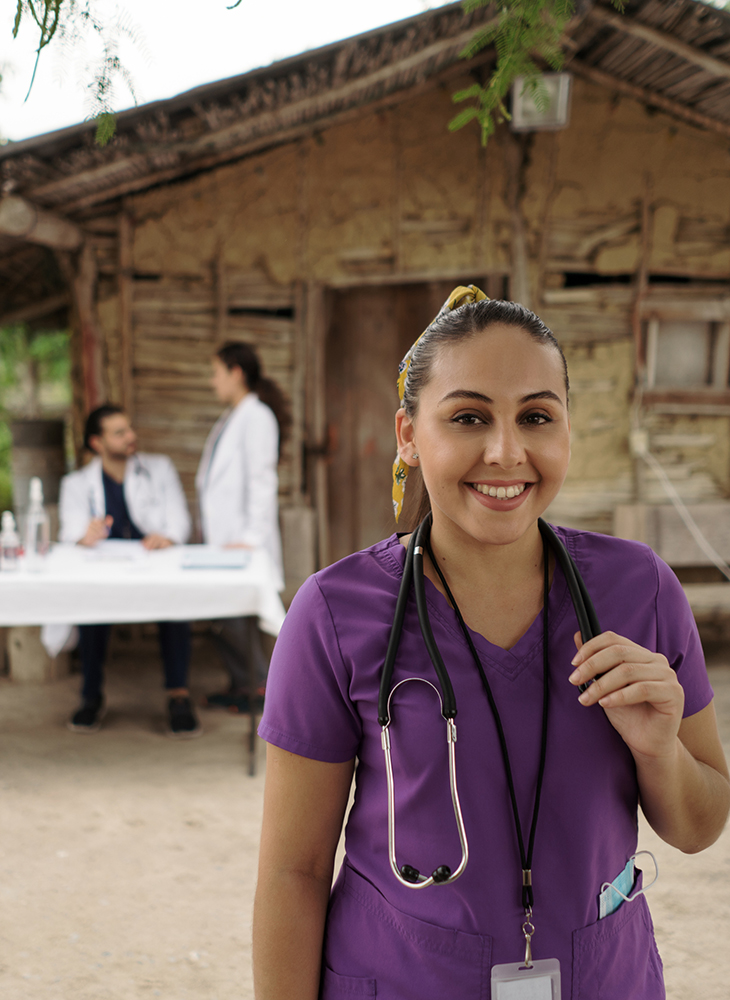
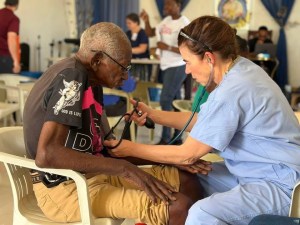
Across the world, free and faith-based clinics, mission hospitals, and mobile medical brigades embody compassion in action. These initiatives provide essential medical, dental, and mental health services to underserved populations — often at little or no cost — through the dedication of volunteer doctors, nurses, pharmacists, and support staff who travel long distances to reach remote or crisis-affected communities.
More than healthcare providers, they are centers of healing and hope. By addressing physical needs while offering spiritual encouragement and public health education in hygiene, nutrition, and disease prevention, they build resilience and dignity. Their impact reaches far beyond treatment of acute conditions. By focusing on primary care and prevention, these clinics strengthen communities, restore dignity, and often serve as the only medical safety net available.
How Partnership Amplifies Impact
At MAP International, we’ve seen how partnership transforms possibility into impact. When we supply clinics with essential medicine and supplies, we help them reach more people and save more lives. That collaboration means:
- Increased Capacity: Clinics can see more patients and offer a wider range of treatments without the prohibitive cost of purchasing supplies.
- Reduced Burden: Our donations alleviate financial strain on clinics, allowing them to allocate resources to other critical areas, including staffing or expanded services.
- Direct Impact: Every bottle of medication or box of supplies we provide directly translates to improved health outcomes for individuals who would otherwise go without.
- Holistic Care: By ensuring access to physical health resources, we help free clinics provide more comprehensive care that uplifts the whole person.
Join Us in Making a Difference
The challenge of healthcare access for the uninsured is immense, but it isn’t insurmountable. Through collaborative partnerships with free clinics, we can extend a hand of hope and healing to those most in need.
Whether you give, volunteer, or share this mission, your support helps bring health, hope, and dignity to countless lives. No one should ever have to choose between medicine and a meal — and together, we can make sure they don’t.