
Key Takeaways
- Disasters can disrupt access to healthcare, medicines, and medical supplies within hours.
- More than 1.6 billion people live in settings vulnerable to healthcare disruptions during emergencies.
- Fast delivery of medical supplies helps save lives, reduce suffering, and support recovery.
- MAP International provides essential medicine, disaster health kits, and surgical supplies to communities in crisis.
- Donor support helps ensure lifesaving medical aid reaches people when they need it most.
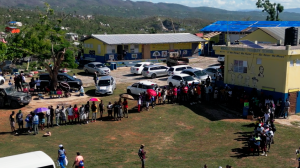
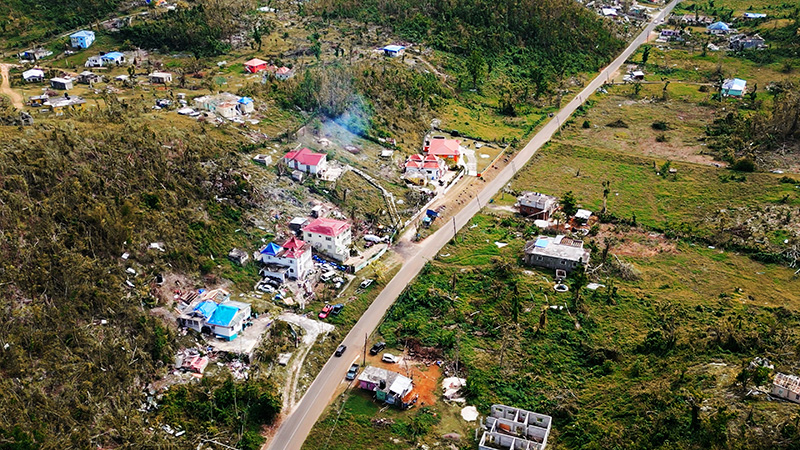
When an earthquake strikes, a flood surges, or a conflict breaks out, the world can change in an instant. Families lose their homes, communities lose their infrastructure, and local clinics lose their ability to provide basic medical care. During such disasters, survival depends on speed, coordination, and compassion.
As disasters grow more frequent and costly around the world, rapid access to medical supplies has become one of the most important factors in saving lives and supporting recovery. Organizations such as MAP play a critical role in helping vulnerable communities receive the medicine and health resources they need during emergencies.
The Growing Global Need for Disaster Response
Disasters affect millions of people worldwide each year. According to the World Health Organization (WHO), more than 1.6 billion people live in fragile, conflict-affected, or vulnerable settings where disasters and other emergencies can disrupt access to healthcare, medicines, vaccines, and medical supplies. Organizations such as MAP help meet these critical needs by delivering lifesaving medical relief when communities need it most.
The impact extends well beyond financial losses. Communities often face:
- Shortages of critical medications
- Damage to hospitals and clinics
- Interruptions in treatment for chronic diseases
- Increased risk of infectious disease outbreaks
- Limited access to clean water and sanitation
The Critical Need for Immediate Medical Relief
The first hours and days following a catastrophe represent the most critical window for saving human lives. Healthcare providers frequently refer to this period as the “golden hours” of disaster response. During the acute phase of an emergency, injured individuals face life-threatening infections, untreated fractures, and severe blood loss.
Unfortunately, funding often falls short during major humanitarian crises, leaving millions without access to essential care. Without sufficient aid, hospitals may reduce services, and healthcare providers in disaster and conflict zones can struggle to obtain the medicines, supplies, and equipment needed to treat patients.
Without rapid intervention, manageable health conditions can quickly become life-threatening.
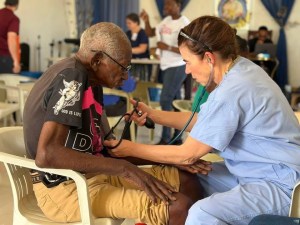
MAP reports that communities affected by disasters frequently lose access to healthcare, essential medicines, clean water, and shelter almost immediately after a crisis occurs. Fast delivery of medical supplies helps healthcare workers continue treating patients, reduces suffering, and supports public health during highly unstable conditions.
How MAP Delivers Lifelines
MAP maintains emergency response capabilities that enable it to mobilize critical hygiene items, medicine and other essentials quickly during disasters. Its work supports communities affected by hurricanes, earthquakes, floods, conflicts, and other humanitarian emergencies worldwide.
Corporate partners, passionate volunteers, and individual donors power this lifesaving mission every single day. MAP targets three primary areas of relief to maximize donor impact:
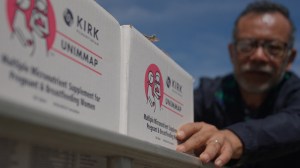
- Disaster Health Kits: Filled with enough personal hygiene items and basic first aid supplies to support a survivor for an entire week.
- Interagency Emergency Health Kits: Stocked with medicines such as antibiotics and chronic disease medications to serve about 10,000 people for three months.
- Emergency Response Packs: Designed to support health systems after a disaster or in ongoing ministry where regular healthcare services have been disrupted. Each pack contains antibiotics, chronic disease medications, and mental health medications.
By working directly with local partners to pre-position critical emergency supplies in vulnerable communities, MAP International strengthens disaster preparedness and emergency response efforts before disaster strikes. This proactive approach is especially critical during hurricane season, helping ensure lifesaving aid reaches affected families and communities quickly when they need it most.
Your Generosity Drives Global Impact
Every medical shipment begins with a compassionate choice. When you donate to disaster relief efforts, you translate empathy into tangible, world-changing action. Your financial gifts allow humanitarian logistics teams to pre-position cargo, secure reliable transport, and bypass bureaucratic bottlenecks during international emergencies.
Humanitarian aid represents a shared global responsibility that unites people across borders. Your generosity provides medical supplies that heal deep wounds, prevent devastating outbreaks, and restore human dignity. Together, we can build a more resilient world where no community faces a disaster alone. Please consider making a lifesaving contribution today to keep these vital supply chains moving.
You can help save lives when disaster strikes. Your support delivers lifesaving medicine, health supplies, and medical devices to families affected by earthquakes, floods, conflicts, and other humanitarian emergencies. Join us in bringing hope, healing, and critical care to people when they need it most.