
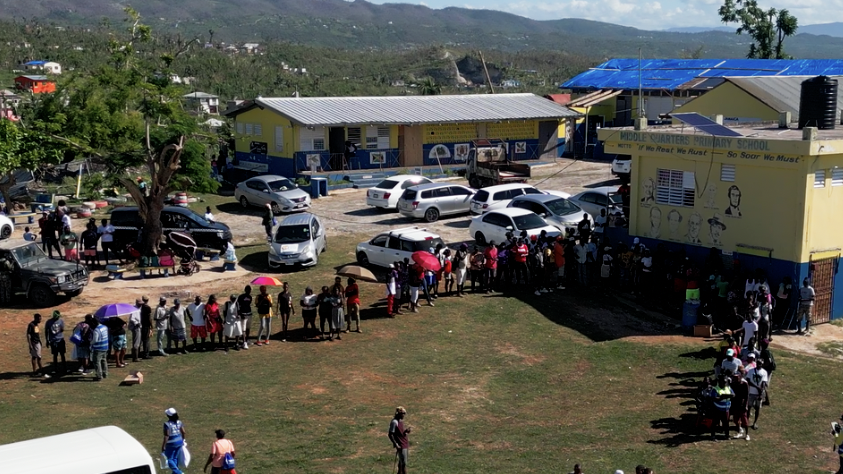
After Hurricane Melissa made landfall, lines stretched for hours as individuals waited for MAP’s Signature Disaster Health Kits.
Key Takeaways
- Disasters can overwhelm healthcare systems while simultaneously damaging clinics, supply chains, utilities, and transportation networks.
- Medical donations help healthcare professionals treat more patients, continue essential services, and respond to changing health threats.
- Medicine, health kits, medical devices, and surgical supplies can prevent manageable conditions from becoming life-threatening.
- MAP International works with distribution partners to prepare, transport, and distribute medical relief in vulnerable communities.
- Donor support helps expand healthcare capacity during the immediate emergency and throughout long-term recovery.
When disaster strikes, healthcare is often the first casualty, and the last thing to be restored.
For most people, a hurricane, flood, or conflict means a temporary disruption: a few days without power, a delayed flight, a detour around a closed road. But for those in vulnerable communities, that same disaster can become a life-threatening health emergency: a missed dialysis appointment, an unfilled insulin prescription, a closed maternity ward. What reads as an inconvenience for some becomes a life-threatening emergency for others.
Why Healthcare Capacity Declines During Disasters
Healthcare capacity refers to the people, facilities, medicine, equipment, and systems available to meet a community’s health needs. A disaster can place every part of that system under pressure.
Hospitals and clinics may sustain structural damage or lose electricity and water. Healthcare workers may become injured, displaced, or unable to reach their workplaces. Transportation delays can prevent new supplies from arriving, while the growing number of patients requires urgent care.
Approximately two billion people globally live in fragile, conflict-affected, or vulnerable (FCV) settings — places where armed conflict, natural disasters, and other emergencies routinely disrupt access to healthcare, medicine, vaccines, and medical supplies.
Two billion is a difficult number to comprehend. Instead, picture the people behind it: a mother finding medicine for her child, a grandfather receiving diabetes treatment, or a newborn getting a healthy start. Now imagine moments like these unfolding again and again in communities around the world, touching two billion lives.
Without outside assistance, treatable injuries and illnesses can quickly become more dangerous.
Medical Donations Increase Treatment Capacity
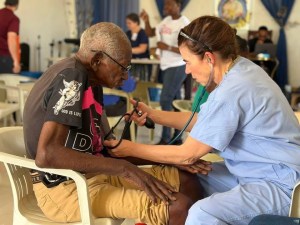
Medical donations expand what healthcare workers can do for every patient who walks through the door. Antibiotics prevent infections from taking hold. Wound care supplies treat disaster-related injuries. Chronic disease medications keep patients stable when their regular treatment has been disrupted.
But disasters don’t put ordinary illness on hold. Diabetes, heart disease, pregnancy complications, and mental health needs don’t disappear during an emergency, and donated supplies keep clinics able to treat them, preventing a second wave of medical crises on top of the first.
Just as critically, donations spare healthcare workers from impossible choices. Without reliable supplies, providers are forced to ration medicine, delay procedures, or turn people away. With them, that same time and skill can go toward treating patients instead of triaging shortages.
Medical Relief Supports More Than Immediate Survival
Emergency care is critical in the first hours after a disaster, but healthcare needs don’t end when the immediate danger passes. Facilities can take years to rebuild. Displaced families may live for months in shelters with limited sanitation. Interrupted vaccination programs increase the risk of outbreaks, and paused treatment can allow chronic conditions to worsen.
Medical donations support every stage of that arc, helping healthcare systems:
- Stabilize patients during the emergency
- Prevent infections and outbreaks
- Restore essential health services
- Support displaced populations
- Resume routine treatments
- Prepare for future emergencies
Strengthening both the immediate response and the long-term recovery helps communities move from crisis to stability.
How MAP Delivers Medical Relief
MAP responds to emergencies, such as hurricanes, earthquakes, floods, and conflicts, by delivering medicine, health supplies, and essential resources through several key channels:
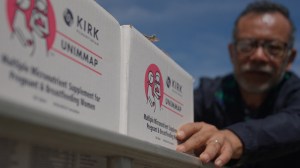
- Disaster Health Kits: Each kit supplies one survivor with hygiene products and basic first aid for a week, helping people stay clean, treat minor injuries, and protect their health when normal services are unavailable.
- Interagency Emergency Health Kits: Packed with antibiotics, chronic disease medications, and other essentials, one kit can meet the basic healthcare needs of roughly 10,000 people for three months.
- Emergency Response Packs: These packs sustain healthcare systems when disasters or ongoing crises disrupt regular services, providing antibiotics, chronic disease medications, and mental health medications.
MAP also partners locally to pre-position supplies in vulnerable communities, placing medicine closer to at-risk areas so distribution partners can respond faster when disaster strikes.
Your $50 Provides $3,250 in Disaster Health Kits
Today, your gift of $50 can provide $3,250 worth of Disaster Health Kits, helping MAP position essential medicines and emergency supplies where communities may need them most, before disaster strikes.
We cannot predict where the next storm will hit. But together, we can help ensure lifesaving care is ready when and where it is needed.
Your support enables MAP to deliver medicine, medical supplies, and health resources to families affected by earthquakes, floods, conflicts, and other emergencies. Your generosity helps healthcare providers save lives, reduce suffering, and restore hope when it’s needed most. Your donation tells a devastated community: you are not forgotten.