
Key Takeaways
- Medical aid helps communities recover long after a crisis leaves the headlines.
- Reliable medicine and supplies keep damaged clinics operating.
- Sustained support protects children, mothers, and people with chronic illnesses.
- Local healthcare workers lead recovery when donors provide the necessary tools.
- Long-term investment strengthens health systems and prepares communities for future emergencies.
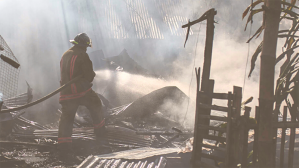
When a natural disaster strikes or conflict erupts, dramatic images of the immediate destruction fill our screens. Thankfully, generous supporters rush to help, sending crucial relief to families facing unimaginable loss. But long after the cameras leave, survivors still face injuries, interrupted care, damaged clinics, and an uncertain path to recovery.
Healthcare systems collapse, essential medicine runs out, and preventable diseases begin to spread. Medical aid organizations such as MAP International stay after the cameras leave, helping communities restore access to medicine, medical supplies, and the health systems families rely on every day.
Emergency intervention saves lives in the acute moment, but long-term medical aid transforms immediate survival into lasting community vitality. When you support health initiatives in vulnerable regions, your generosity builds a strong foundation that helps entire communities heal, rebuild, and thrive for years to come.
The Hidden Aftermath
When a crisis destroys hospitals, clinics, and supply chains, the suffering doesn’t end with the visible damage. A father can no longer find medication for high blood pressure. A child with asthma may struggle to breathe without an inhaler. A pregnant mother may face labor without a trained provider, clean equipment, or a safe place to give birth. Young children can miss vaccinations that protect them from deadly but preventable diseases.
According to the Partnership for Maternal, Newborn & Child Health, hosted by the World Health Organization, more than half of maternal and child deaths occur in fragile and conflict-affected settings. Many of these lives could be saved with access to basic medical care, sterile supplies, vaccinations, and ongoing care.
Emergency relief helps people survive the first wave of a crisis. Sustained medical aid helps prevent the second wave, when treatable illnesses, interrupted care, and weakened health systems claim lives long after the headlines fade.
Bridging the Gap From Survival to Sustainability
Rebuilding local health infrastructure requires deliberate, continuous effort. Through partnerships with MAP, nonprofit organizations help deliver lifesaving medicine, essential health supplies, and medical devices to people who urgently need care.
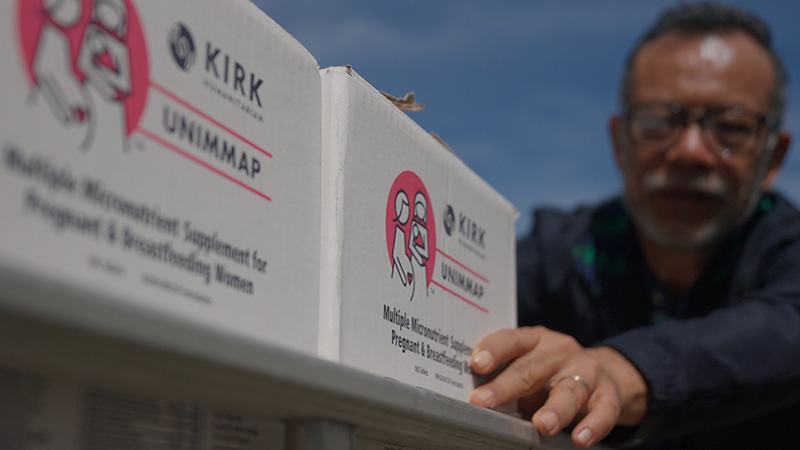
Rather than imposing short-term external fixes, consistent medical aid strengthens existing local care networks. Regular shipments of antibiotics, prenatal vitamins, water purification tablets, and chronic disease medications allow local clinics to reopen their doors with complete confidence.
By securing a stable supply of high-quality pharmaceuticals and essential supplies, local doctors and nurses can pivot from emergency triage back to preventive care. Reliable access to essential medicine transforms fragile local health outposts into trusted community lifelines that sustain entire populations through long recovery journeys.
Strengthening Local Healthcare Workers and Systems
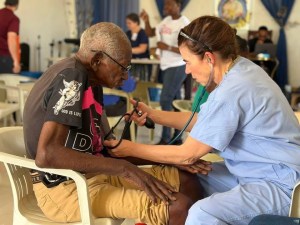
In crisis-affected communities, local healthcare workers often become the main line of hope. Nurses, midwives, doctors, and volunteers continue serving their neighbors despite damaged clinics, limited supplies, and overwhelming stress.
Consistent medical aid provides them with the tools to treat preventable illnesses, protect vulnerable families, and rebuild trust in local healthcare. UNICEF guidance shows that investing in community health workers, essential services, vaccinations, disease surveillance, and stronger healthcare systems can save lives and strengthen outbreak control during recovery.
That support creates a lasting ripple effect:
- Prevents Disease Outbreaks: Clean water, hygiene supplies, and oral rehydration salts help stop illnesses such as cholera.
- Protects Mothers and Infants: Prenatal care, vitamins, and sterile delivery supplies make childbirth safer.
- Restores Community Stability: Healthy adults return to work, children return to school, and families begin rebuilding.
MAP works with its global health partnerships to ensure that local medical teams have the resources required to handle sudden medical surges and routine care. Each donor-supported shipment places lifesaving resources in the hands of people who know their communities best.
Turning Immediate Relief Into Lasting Hope
Emergency response is only the beginning. Your generosity also helps communities build healthier futures long after a crisis has passed.
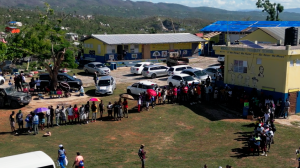
After a hurricane, donor support can equip a community clinic with Disaster Health Kits and emergency supplies. In the months and years ahead, continued support will provide essential medicine, medical supplies, and medical devices. With these resources, the clinic can manage chronic illnesses, deliver healthy babies, and prepare for future health emergencies.
Monthly support makes this lasting care possible. By joining MAP365, you help health care workers serve their communities and ensure families can access vital care year-round.